


Surviving Winter Indoors: Practical Ways to Support Speech, Sensory & Self-Regulation Skills at Home
- Hello Speech GTA
- Jan 18
- 3 min read

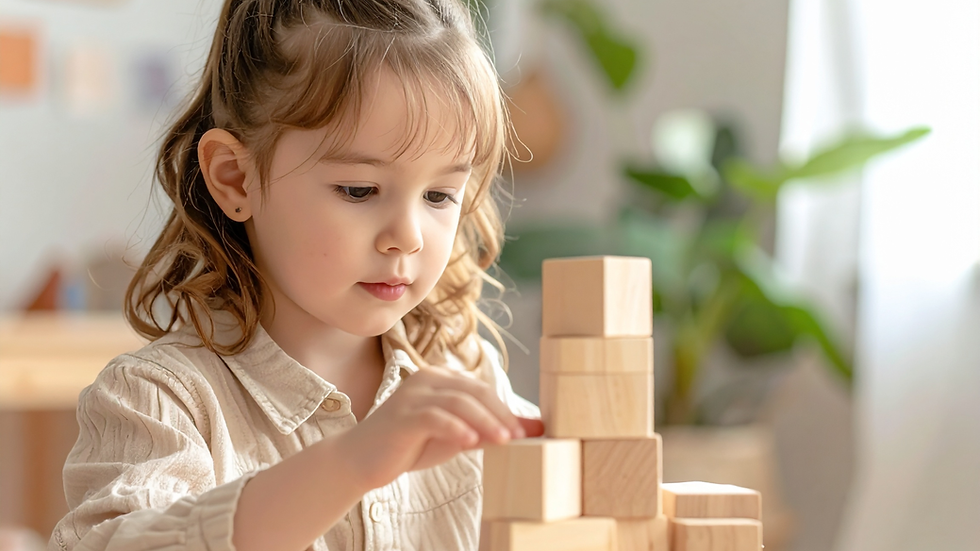
Winter in Toronto often means long days indoors, limited outdoor play, and disrupted routines. For many families, this can lead to higher energy levels, more big emotions, and increased challenges with communication and regulation. If this sounds familiar, you’re not alone.
The good news is that winter can also be a meaningful time to support your child’s speech, sensory processing, and self-regulation skills, using simple strategies built into everyday life at home.
Why Indoor Routines Matter (Especially in Winter)
When children spend more time inside, predictable routines become even more important. Knowing what to expect helps children feel safe, organized, and regulated.
Daily routines like meals, playtime, movement breaks, and quiet time create natural opportunities for children to practice:
asking for help
making choices
following directions
expressing emotions
taking turns
These foundational skills support success at home, in school, and in social settings.
Practical Ways to Support Skills Indoors This Winter
Build Language into Everyday Activities
You don’t need special materials to support speech and language. Everyday moments are powerful.
Try this:
At meals, talk about food colours, textures, and temperatures (e.g., “crunchy apple,” “warm soup”).
During play, describe what your child is doing (“you’re stacking,” “it fell down”).
During routines, talk through steps (“first pajamas, then story time”).
Short, repeated language models throughout the day help build vocabulary and sentence structure naturally.
Add Intentional Indoor Movement Breaks
Even indoors, children need movement to regulate their bodies and attention.
Easy movement ideas:
Create an obstacle course using pillows, cushions, or tunnels.
Try animal walks (bear crawl, frog jumps, crab walk).
Carry groceries, push laundry baskets, or pull a wagon for calming “heavy work.”
Schedule movement breaks every 30–60 minutes if your child becomes restless.
Just a few minutes of movement can make it easier to focus afterward.
Use Predictability and Choice to Support Regulation
Winter days can feel long, especially for children who struggle with transitions or control.
Helpful strategies:
Use a simple visual schedule showing the order of the day.
Give warnings before transitions (“5 more minutes, then clean up”).
Offer limited choices (“blocks or colouring?”).
Naming emotions (“you look frustrated”) and modelling calming strategies like deep breathing or stretching helps children learn self-regulation over time.
Choose Play That Builds Social and Communication Skills
Play is one of the best ways to support language and social development.
Great indoor options include:
Board or card games to practice turn-taking and waiting.
Pretend play (kitchen, cars, dolls, animals) to build vocabulary and flexible thinking.
Simple back-and-forth games like rolling a ball or building together.
Focus on connection rather than rules or outcomes.
Create a Calm Space for Resetting
Indoor environments can quickly become overstimulating during winter months.
Consider setting up a calm corner with:
soft lighting
books or quiet toys
sensory tools like stress balls or weighted items
Teaching your child when and how to take a break is an important lifelong regulation skill.
Turning Winter into a Time for Growth
While winter limits outdoor play, it also offers families the chance to slow down and focus on connection, communication, and emotional regulation at home. With predictable routines, intentional movement, and language-rich moments, children can continue to build confidence and developmental skills all season long.
Need Extra Support This Winter?
If you’d like guidance on supporting your child’s speech, sensory processing, or self-regulation, the Hello Speech team is here to help. We offer family-centred strategies and individualized support to help your child thrive no matter the season.


Comments